Anthony M • May 12, 2026

Hidden Hail Damage Could Cost You Later: What to Look For Now

Hailstorms are an unfortunate reality for homeowners in North Texas. While you likely inspect vehicles and outdoor furniture after a storm, your roof can often go unchecked. Many signs of hail damage aren't visible from the ground and, if left untreated, can lead to more costly problems over time. Understanding hidden hail damage and getting a professional assessment can save you from unnecessary expenses and protect your home's value.


How Hail Quietly Damages Your Roof

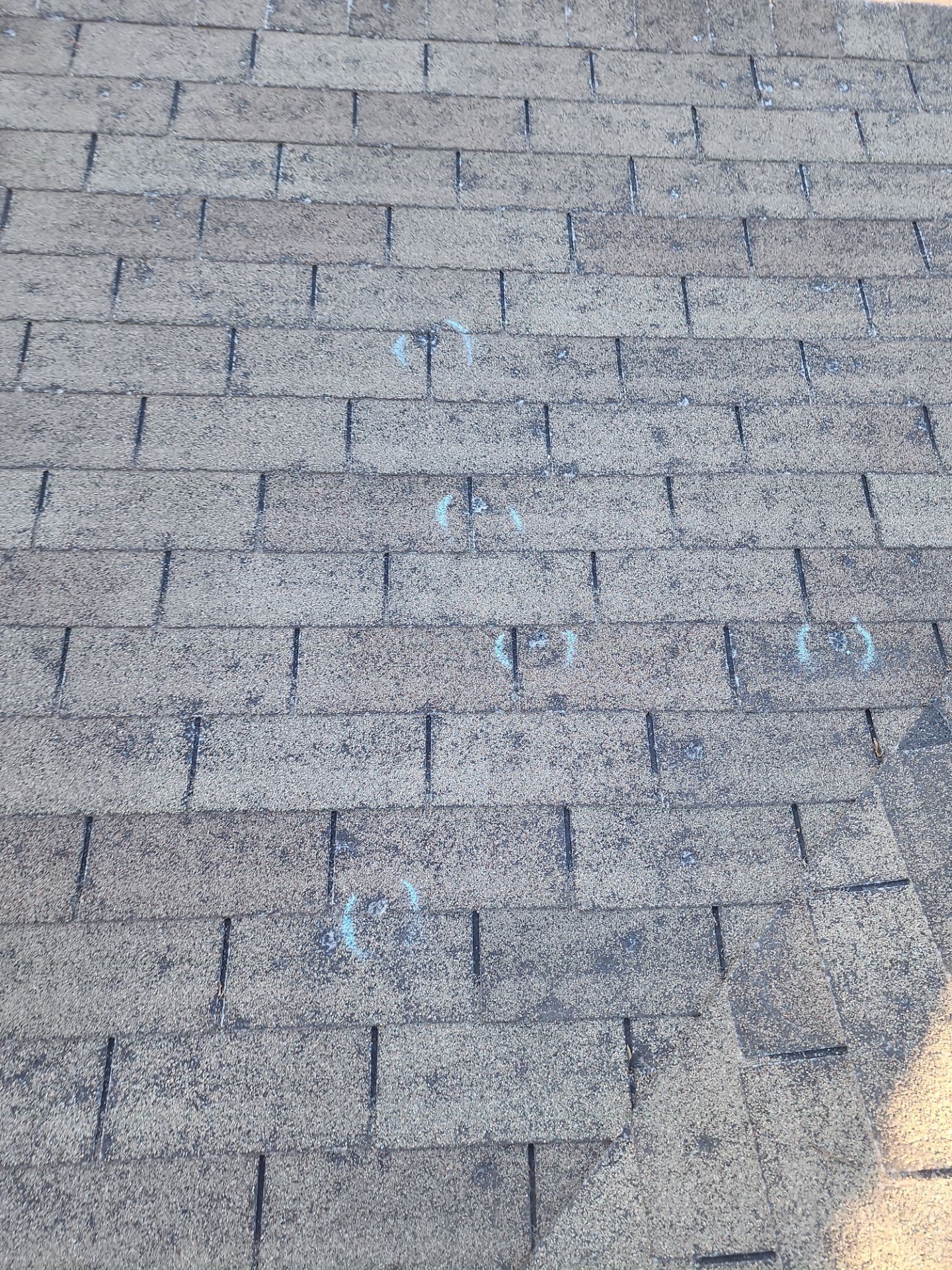
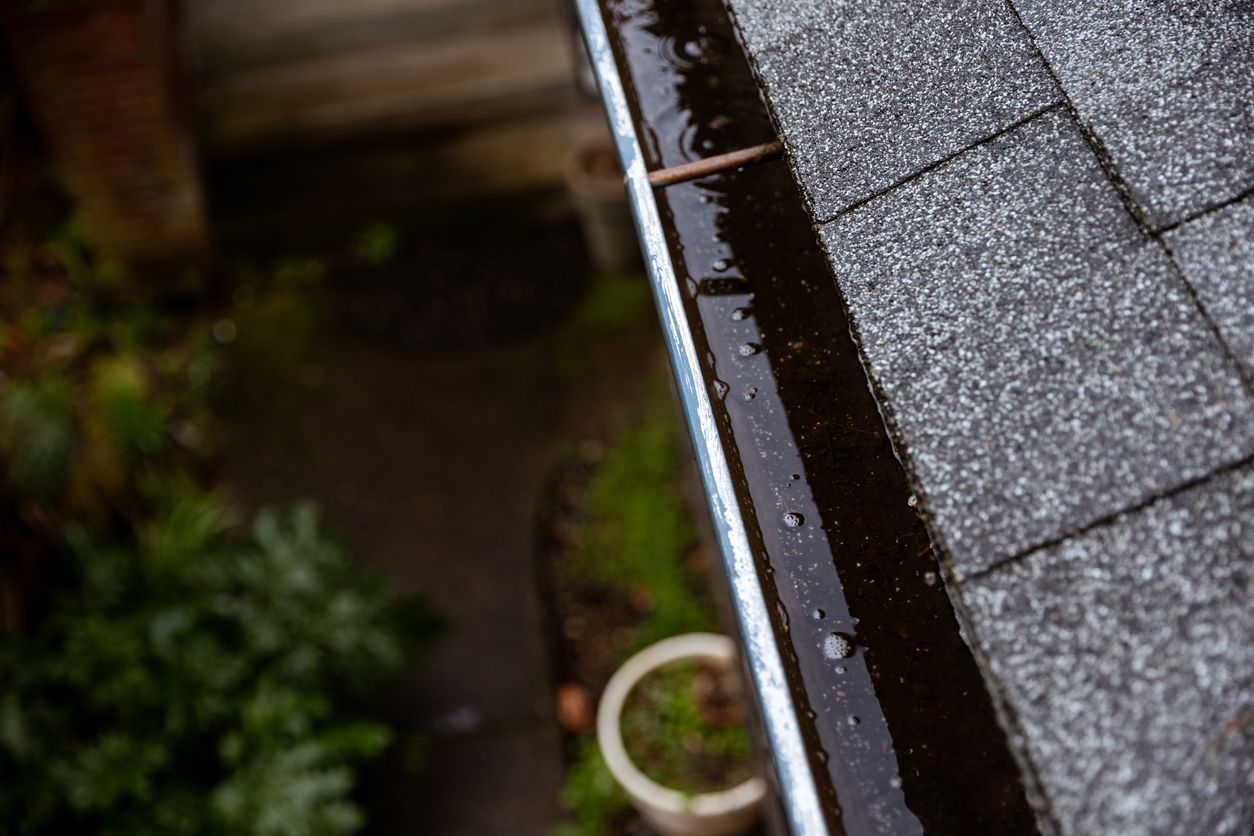
Hail rarely leaves a uniform mark. Instead, the damage is scattershot, making it difficult for the untrained eye to detect. One common sign of hidden damage is the loss of granules from your shingles. Granules serve as a protective layer, shielding the shingle from UV rays and weather. When hail knocks these granules loose, you might notice an abundance of shingle particles in your gutters. Missing granules leave shingles vulnerable to sun exposure, which accelerates their aging, shortening the roof's lifespan significantly.


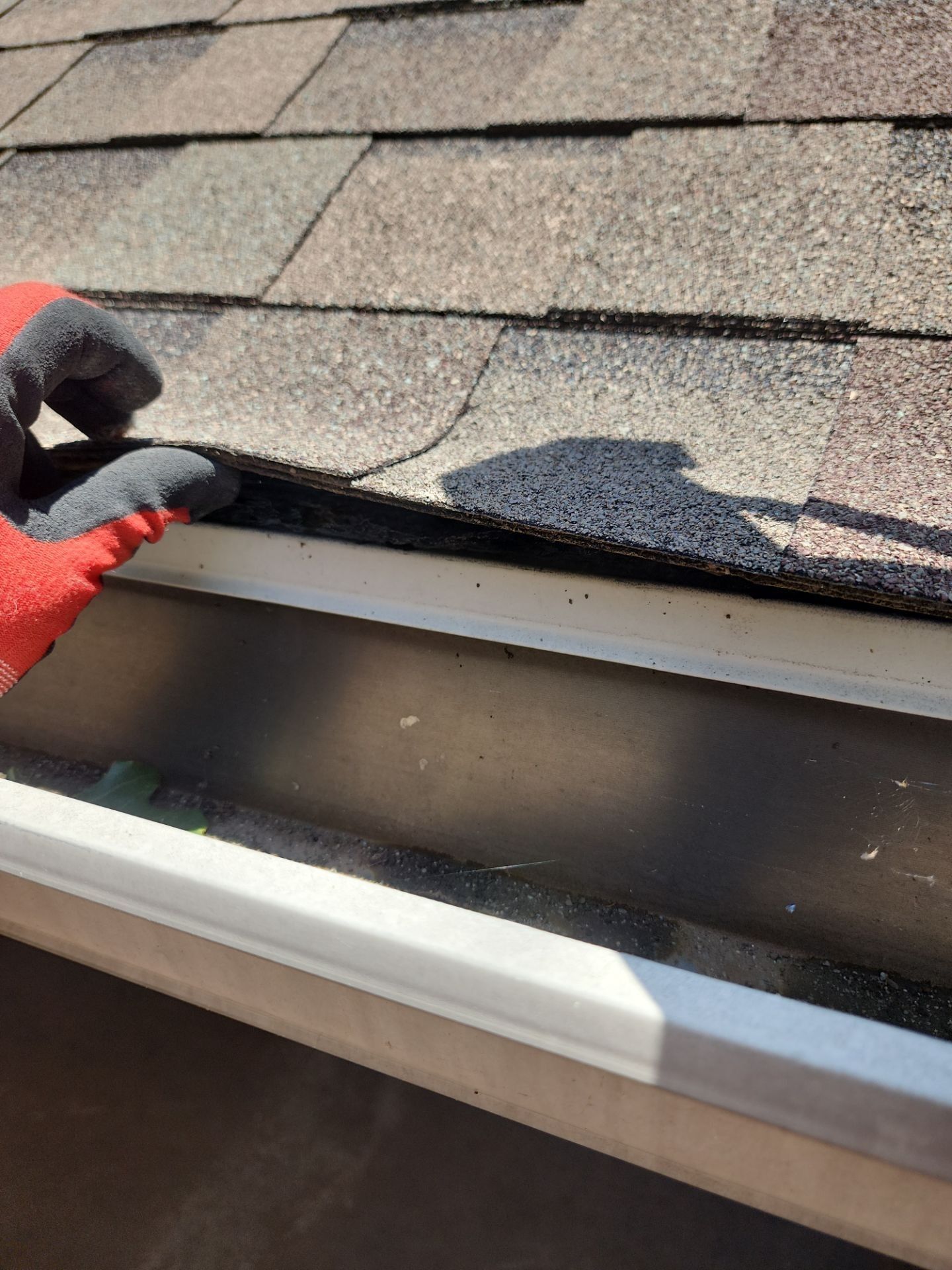
Bruising is another subtle form of hail damage. Bruised shingles may look normal but feel soft or spongy to the touch due to underlying damage. Over time, bruised sections become points of weakness that are likely to crack and leak during future rainstorms. These "soft spots" can lead to water infiltration, resulting in mold growth and damage to the interior structural components of your home.


The Risk of Waiting: Why Ignoring Hail Damage Costs More

Sometimes, hail compromises the integrity of your roof without causing immediate leaks. Water may begin seeping beneath lifted or cracked shingles long before you notice interior water stains or ceiling spots. By the time leaks are visible, the internal structure like roof decking and insulation could already be suffering from rot or mold.


Insurance policies often have time restrictions on how long after a storm you can file a claim for hail damages. If you wait to address hidden hail issues, you risk losing eligibility for coverage and paying out of pocket for repairs that could have been covered. Routine inspections after major hail events are therefore not just a suggestion but a critical preventive measure to avoid unexpected expenses.


Red Flags: Signs You Might Have Hidden Hail Damage

While only a professional inspection can guarantee an accurate assessment, there are a few warning signs you can look out for:


  • Excessive shingle granules in gutters and at downspouts
  • Noticeable dents on roof vents, flashing, or metal trim
  • Dark areas or "bruises" on affected shingles when viewed up close
  • Unexplained increases in energy bills due to decreased attic insulation performance from water intrusion


If you notice any of these symptoms, it's crucial to arrange for a professional hail damage inspection as soon as possible.


How Professional Roof Inspections Protect Your Home

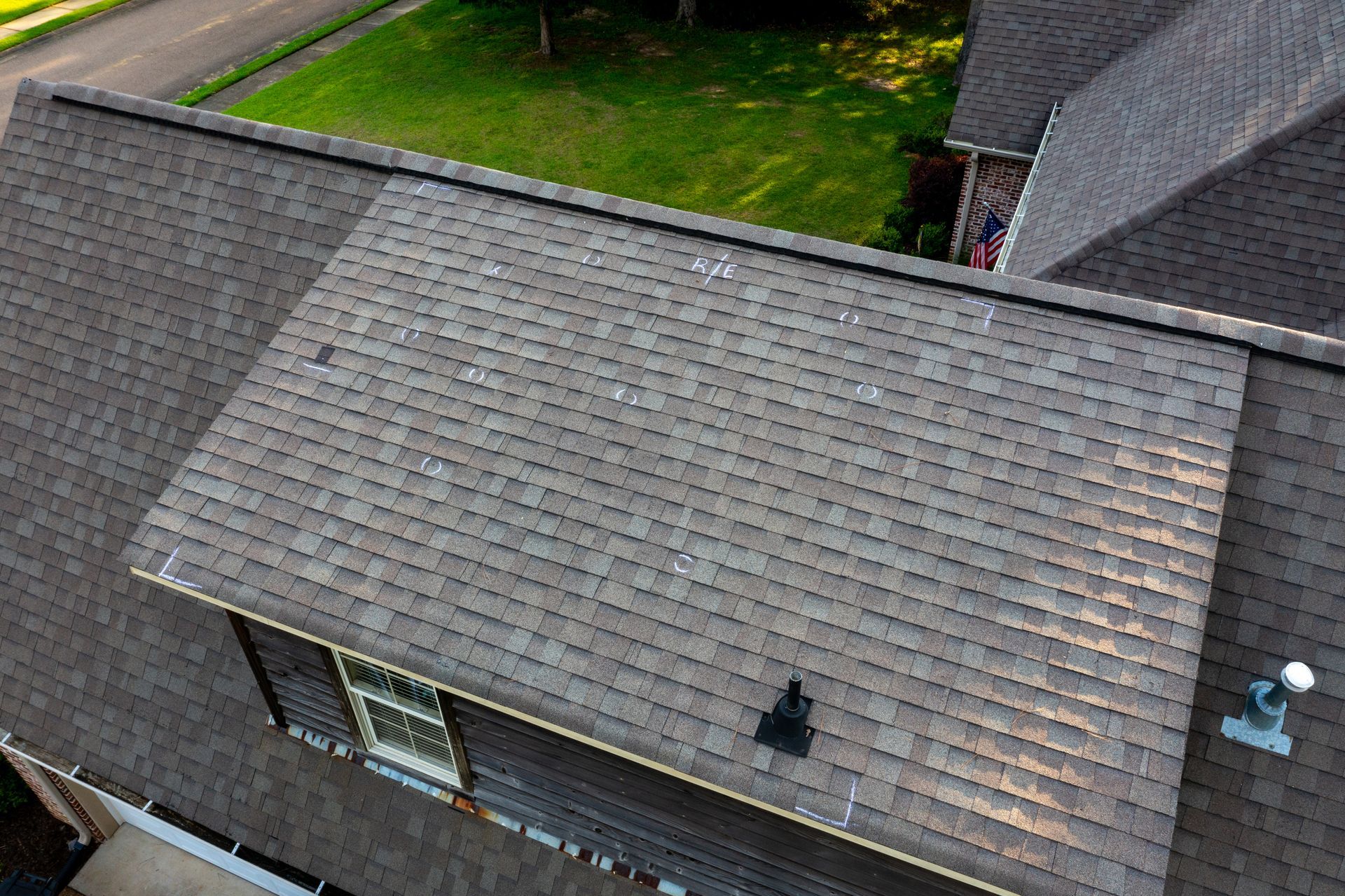
Qualified professionals, like those at MacDonald Roofing & Remodeling, use specialized techniques and tools to evaluate your roof for hail impact. A thorough roof inspection covers not only shingles but also hidden areas where water might intrude, such as flashing, chimneys, and vent boots. Catching hail damage early allows for targeted repairs or even a roof replacement if needed, both of which are far less invasive and less expensive when performed before further deterioration occurs.


Seasonally, spring and summer are peak times for hail in North Texas. Scheduling inspections right after major storms ensures that minor issues don't become major repairs. Trusted professionals know the difference between standard aging and hail trauma, giving you peace of mind and accurate documentation for insurance purposes.


Schedule Your Hail Damage Roof Inspection Today

If you live in Dallas, Texas, don't let hidden hail damage compromise the safety and value of your home. MacDonald Roofing & Remodeling offers detailed roof inspection services and proven repair solutions. Call 214-227-8918 or fill out our simple online form to book your roof assessment now. Protect your investment and avoid costly surprises. Schedule your free inspection with Dallas's trusted roofing professionals today.
By Anthony M May 19, 2026
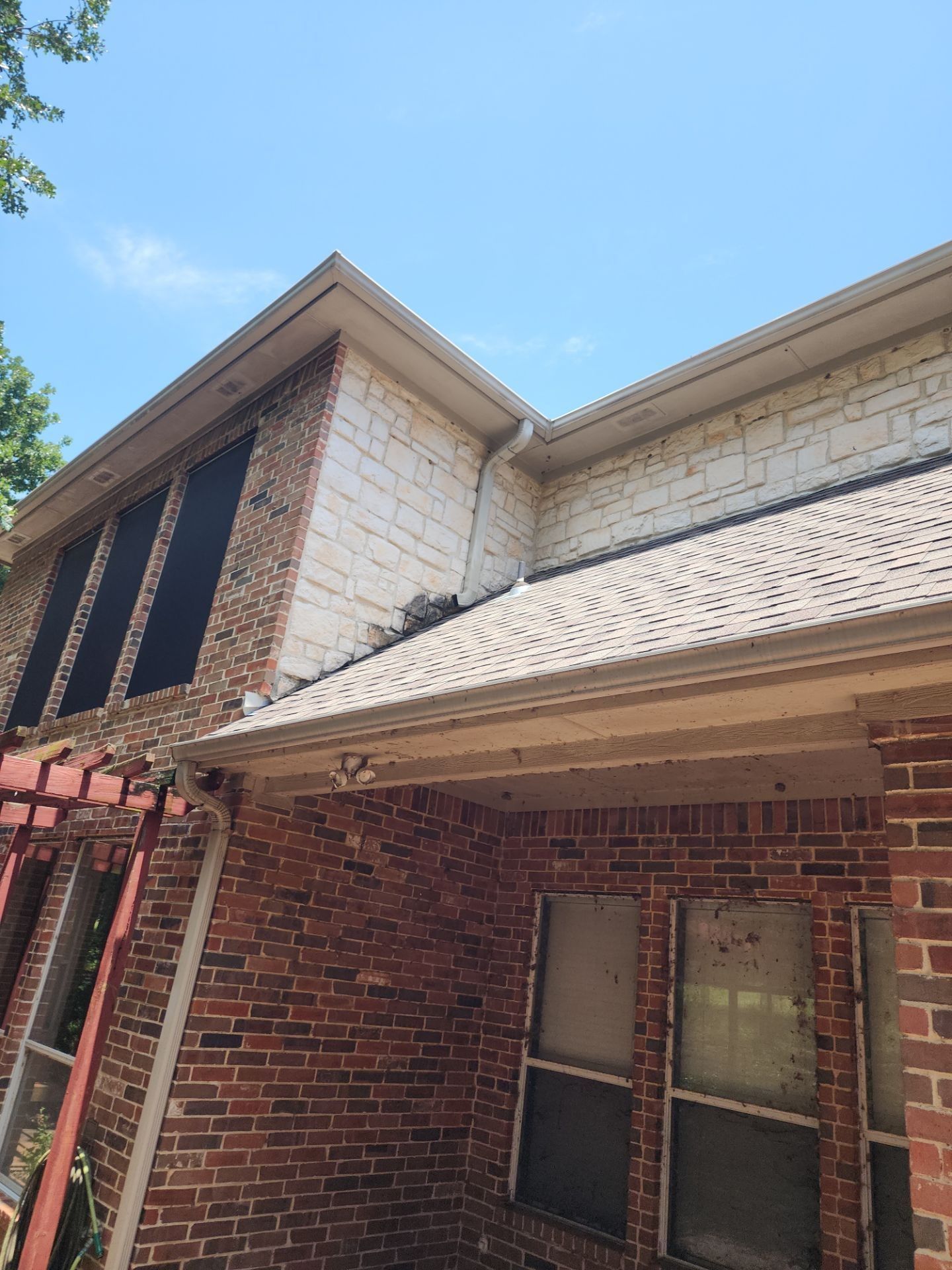
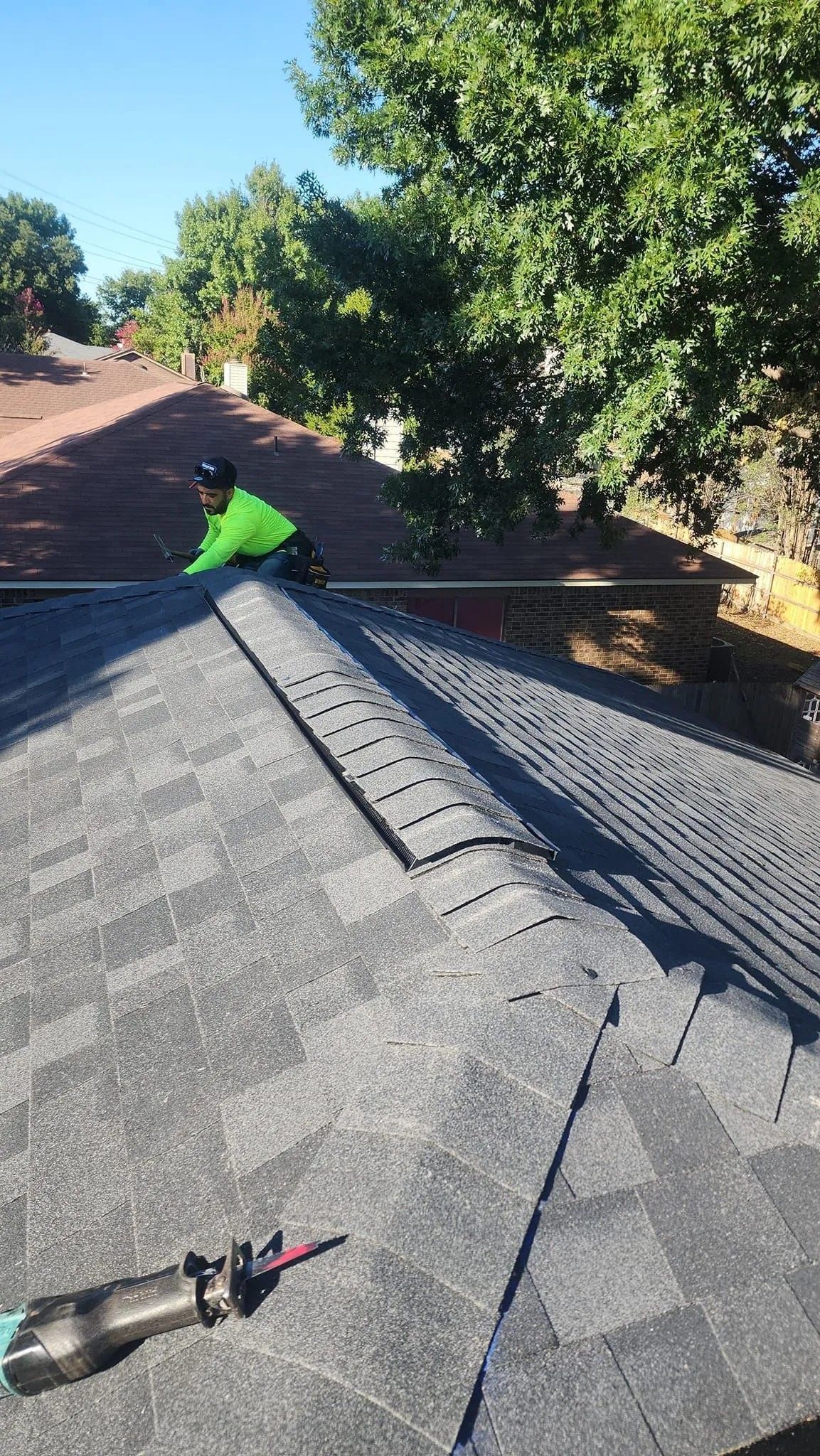
After a major storm rolls through North Texas, your home's roof can suffer unseen damage that could lead to major issues down the line. It's an all-too-common scenario in the Dallas area, where spring storms often bring hail, strong winds, and heavy rainfall. If you've looked outside and noticed shingles in your yard or granules piling up after a powerful storm, you need to act quickly to protect your home and investment. Fortunately, scheduling a free roof inspection right after the storm could be the best way to prevent small problems from becoming costly repairs. Why You Should Schedule a Timely Roof Inspection The aftermath of a Dallas-area storm can leave behind damage that's not always visible from the ground. Even if your roof looks fine at a glance, there may be issues lurking beneath the surface, especially with older roofs or those previously repaired. Water leaks, compromised flashing, and torn or missing shingles can allow moisture to make its way inside, threatening insulation and the structural integrity of your home. A prompt professional inspection will: Identify hail, wind, or impact damage before it turns into leaks. Provide documentation you may need for insurance claims. Catch minor issues early, saving you money and stress in the long run. What to Expect During Your Free Roof Inspection You might be wondering what happens during a professional roof assessment. At MacDonald Roofing & Remodeling, a licensed, trained specialist will evaluate your roof for signs of damage using industry-standard techniques. Here is what you'll typically experience: Comprehensive inspection of all roofing materials, joints, and flashings. Assessment of your attic and insulation for signs of hidden water intrusion. Thorough gutter and downspout check to ensure proper drainage. Personalized recommendations, whether you need basic maintenance or a full roof replacement service. Common Types of Storm Damage in Dallas Dallas weather can be unpredictable, especially during spring and fall when severe storms are common. After hail, you may find cracked or bruised shingles. Heavy winds can lift shingle edges or tear them off completely, exposing decking to the elements. Flash flooding brings another threat, as improperly sloped roofs or clogged gutters could cause water to pool and seep underneath the surface. Past storms in Dallas have demonstrated that quick, attentive response is key. For example, during last year's June hailstorm, many local homeowners who acted fast with a roof repair were able to avoid interior water damage, while those who delayed inspection faced bigger headaches, like ruined drywall and mold remediation. How Fast Appointments Make a Difference One of the biggest concerns after a major storm is getting help quickly. Waiting days or weeks for an inspection can put your home at greater risk, especially if another rainstorm is just around the corner. That's why MacDonald Roofing & Remodeling prioritizes fast appointments, often available within a few days or even same-day for urgent cases. This rapid response allows you to address potential problems right away and gives you peace of mind as our team handles the process efficiently and professionally.  Schedule Your Free Roof Inspection in Dallas Today If your Dallas home was in the path of the recent storm, don't wait to find out if there's hidden damage. MacDonald Roofing & Remodeling is a locally trusted name with decades of experience, serving Dallas and the surrounding areas. Call today at 214-601-9304 or fill out our convenient online form to book your fast, no-obligation roof assessment. Protect your investment and get ahead of costly repairs with an expert evaluation from the team that Dallas homeowners trust.
By Anthony M May 5, 2026
Was your Dallas roof damaged by hail? Contact MacDonald Roofing & Remodeling for a free inspection after the recent storm. Serving Dallas, Texas homeowners.
A woman is sitting on the floor using a laptop computer.
By Sam NyBlom July 24, 2022
When it comes to SEO, there isn't a magic formula to instantly send your site off to the #1 search result on Google. But there are some basic principles you should follow for a wonderful starting point. Here are the top 5 SEO practices to start with: #1 Write for people, not for search engines Always write original, interesting, high quality site content that's error free and relevant to your site. Search engines like Google can easily detect content that is duplicated from elsewhere online, that contains grammatical errors, or that is stuffed with keywords. #2 Add a blog to your site and use rich media To engage your site visitors and blog readers, create posts that include non-textual media like photos, videos, or original visualizations (infographics). Having that extra content (especially if it's captivating) will increase the time users spend on your site as well as the likelihood they will share your site with their own community. #3 Offer a positive user experience throughout your site Google will know if you're using your site to aggressively advertise your service, or if you're being too pushy. Always aim to offer site visitors a pleasant experience on your site. That means clear content, support when needed, and always an option to go back. #4 Create a network of internal links (but don't overdo it) Add links between different pages of your site and your blog, but try to follow a process that feels organic rather than heavy linking meant just for search engine crawlers. Link between pages that make sense, for example, on your services page, link a certain industry specific term, and link it to a blog post you wrote about it, that gives more information on that term. #5 Always check your site's Core Web Vitals Core Web Vitals are a standard site performance standard initially created by Google. The report shows site owners how their site pages perform 'for real,' how long it takes for site visitors to load site pages, and it offers ways to fix issues, if there are any.
Three bottles of the ordinary are sitting on a table
By Sam NyBlom June 29, 2022
When it comes to SEO, there isn't a magic formula to instantly send your site off to the #1 search result on Google. But there are some basic principles you should follow for a wonderful starting point. Here are the top 5 SEO practices to start with: #1 Write for people, not for search engines Always write original, interesting, high quality site content that's error free and relevant to your site. Search engines like Google can easily detect content that is duplicated from elsewhere online, that contains grammatical errors, or that is stuffed with keywords. #2 Add a blog to your site and use rich media To engage your site visitors and blog readers, create posts that include non-textual media like photos, videos, or original visualizations (infographics). Having that extra content (especially if it's captivating) will increase the time users spend on your site as well as the likelihood they will share your site with their own community. #3 Offer a positive user experience throughout your site Google will know if you're using your site to aggressively advertise your service, or if you're being too pushy. Always aim to offer site visitors a pleasant experience on your site. That means clear content, support when needed, and always an option to go back. #4 Create a network of internal links (but don't overdo it) Add links between different pages of your site and your blog, but try to follow a process that feels organic rather than heavy linking meant just for search engine crawlers. Link between pages that make sense, for example, on your services page, link a certain industry specific term, and link it to a blog post you wrote about it, that gives more information on that term. #5 Always check your site's Core Web Vitals Core Web Vitals are a standard site performance standard initially created by Google. The report shows site owners how their site pages perform 'for real,' how long it takes for site visitors to load site pages, and it offers ways to fix issues, if there are any.
Two women are standing at a table looking at a laptop.
By Sam NyBlom June 29, 2022
When it comes to SEO, there isn't a magic formula to instantly send your site off to the #1 search result on Google. But there are some basic principles you should follow for a wonderful starting point. Here are the top 5 SEO practices to start with: #1 Write for people, not for search engines Always write original, interesting, high quality site content that's error free and relevant to your site. Search engines like Google can easily detect content that is duplicated from elsewhere online, that contains grammatical errors, or that is stuffed with keywords. #2 Add a blog to your site and use rich media To engage your site visitors and blog readers, create posts that include non-textual media like photos, videos, or original visualizations (infographics). Having that extra content (especially if it's captivating) will increase the time users spend on your site as well as the likelihood they will share your site with their own community. #3 Offer a positive user experience throughout your site Google will know if you're using your site to aggressively advertise your service, or if you're being too pushy. Always aim to offer site visitors a pleasant experience on your site. That means clear content, support when needed, and always an option to go back. #4 Create a network of internal links (but don't overdo it) Add links between different pages of your site and your blog. Try to follow a process that's organic rather than heavy linking meant for search engine crawlers. Link between pages that make sense, for example, on your services page, link a certain industry-specific term to a blog post that gives more information on that term. #5 Always check your site's Core Web Vitals Core Web Vitals are a site performance standard initially created by Google. The report shows site owners how their site pages perform 'for real,' how long it takes for site visitors to load site pages, and it offers ways to fix issues, if there are any.
A woman is drinking a cup of coffee in a park.
By Sam NyBlom June 29, 2022
When it comes to SEO, there isn't a magic formula to instantly send your site off to the #1 search result on Google. But there are some basic principles you should follow for a wonderful starting point. Here are the top 5 SEO practices to start with: #1 Write for people, not for search engines Always write original, interesting, high quality site content that's error free and relevant to your site. Search engines like Google can easily detect content that is duplicated from elsewhere online, that contains grammatical errors, or that is stuffed with keywords. #2 Add a blog to your site and use rich media To engage your site visitors and blog readers, create posts that include non-textual media like photos, videos, or original visualizations (infographics). Having that extra content (especially if it's captivating) will increase the time users spend on your site as well as the likelihood they will share your site with their own community. #3 Offer a positive user experience throughout your site Google will know if you're using your site to aggressively advertise your service, or if you're being too pushy. Always aim to offer site visitors a pleasant experience on your site. That means clear content, support when needed, and always an option to go back. #4 Create a network of internal links (but don't overdo it) Add links between different pages of your site and your blog, but try to follow a process that feels organic rather than heavy linking meant just for search engine crawlers. Link between pages that make sense, for example, on your services page, link a certain industry specific term, and link it to a blog post you wrote about it, that gives more information on that term. #5 Always check your site's Core Web Vitals Core Web Vitals are a standard site performance standard initially created by Google. The report shows site owners how their site pages perform 'for real,' how long it takes for site visitors to load site pages, and it offers ways to fix issues, if there are any.