How Long Do You Have to File a Hail Claim? Don’t wait too long after the storm.
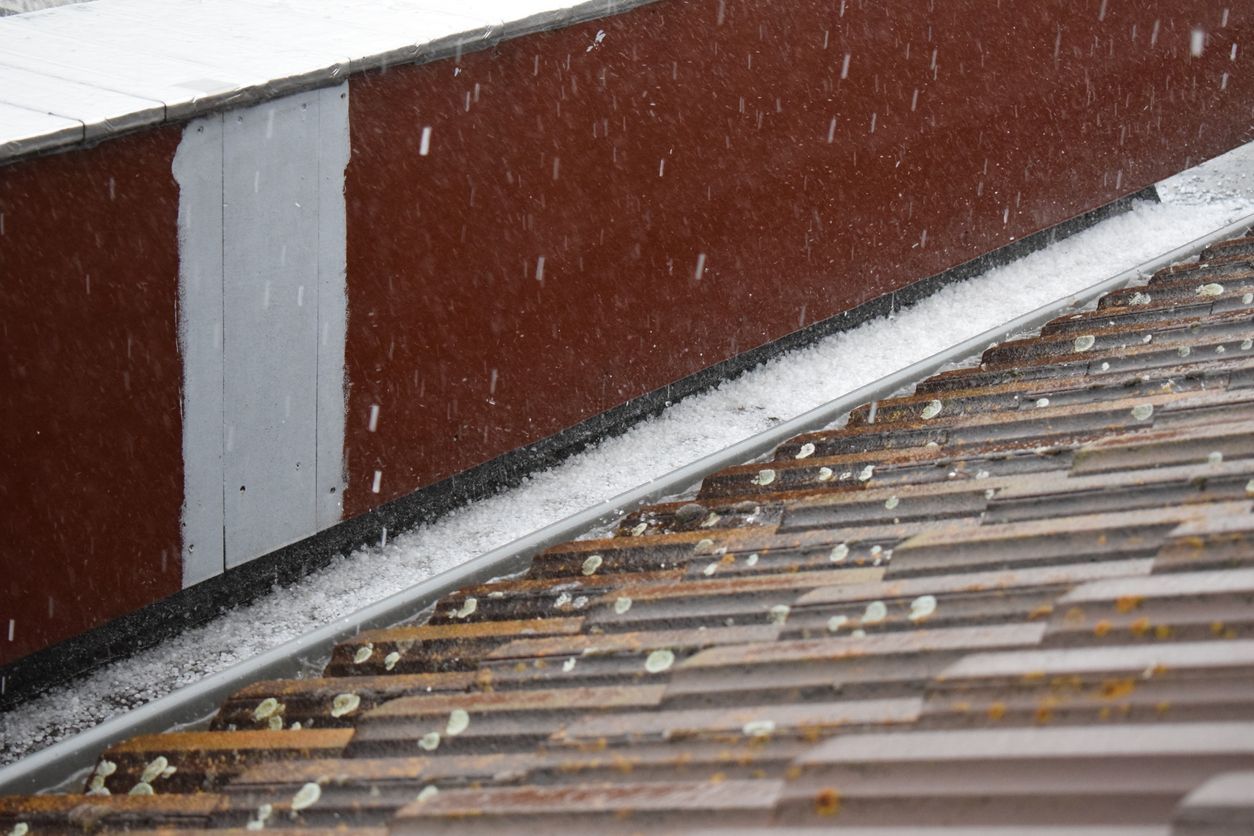
Texas is no stranger to severe weather, and hailstorms are a common occurrence in the Dallas-Fort Worth area, including Denton County, Rockwall, Tarrant County, and Collin County. If your home has been impacted by a hailstorm, understanding the timeline for filing a hail damage insurance claim is critical to ensuring you receive the compensation needed for repairs. When hail damage strikes, the clock starts ticking for homeowners, and waiting too long to act could jeopardize your ability to file a claim and restore your property.
Understanding the Deadline for Filing a Hail Claim
Homeowner's insurance policies typically have a set window in which you must file a claim after a hailstorm. While every insurance carrier is different, most policies require claims to be filed within one to two years from the date the damage occurred. However, in the Dallas area, some insurers may only give as little as six months. This is especially important as North Texas hail season runs from March through June, but storms can hit at any time. If you wait too long after the storm passes, visible evidence of the damage could fade due to weathering, and insurance adjusters may challenge the validity of your claim.
Why Prompt Action Matters After a Hailstorm
Filing your hail claim promptly not only keeps you within your policy's timeline but also helps you accurately document the extent of the damage. Hail damage to roofs, siding, and exterior features can worsen over time due to exposure. In cities like Dallas and Carrollton, spring hail can quickly turn minor roof bruising into leaks and structural issues by summer's end. Addressing damage quickly helps prevent secondary issues that your policy may not cover, such as interior water damage or mold.
Signs That You May Have Hail Damage
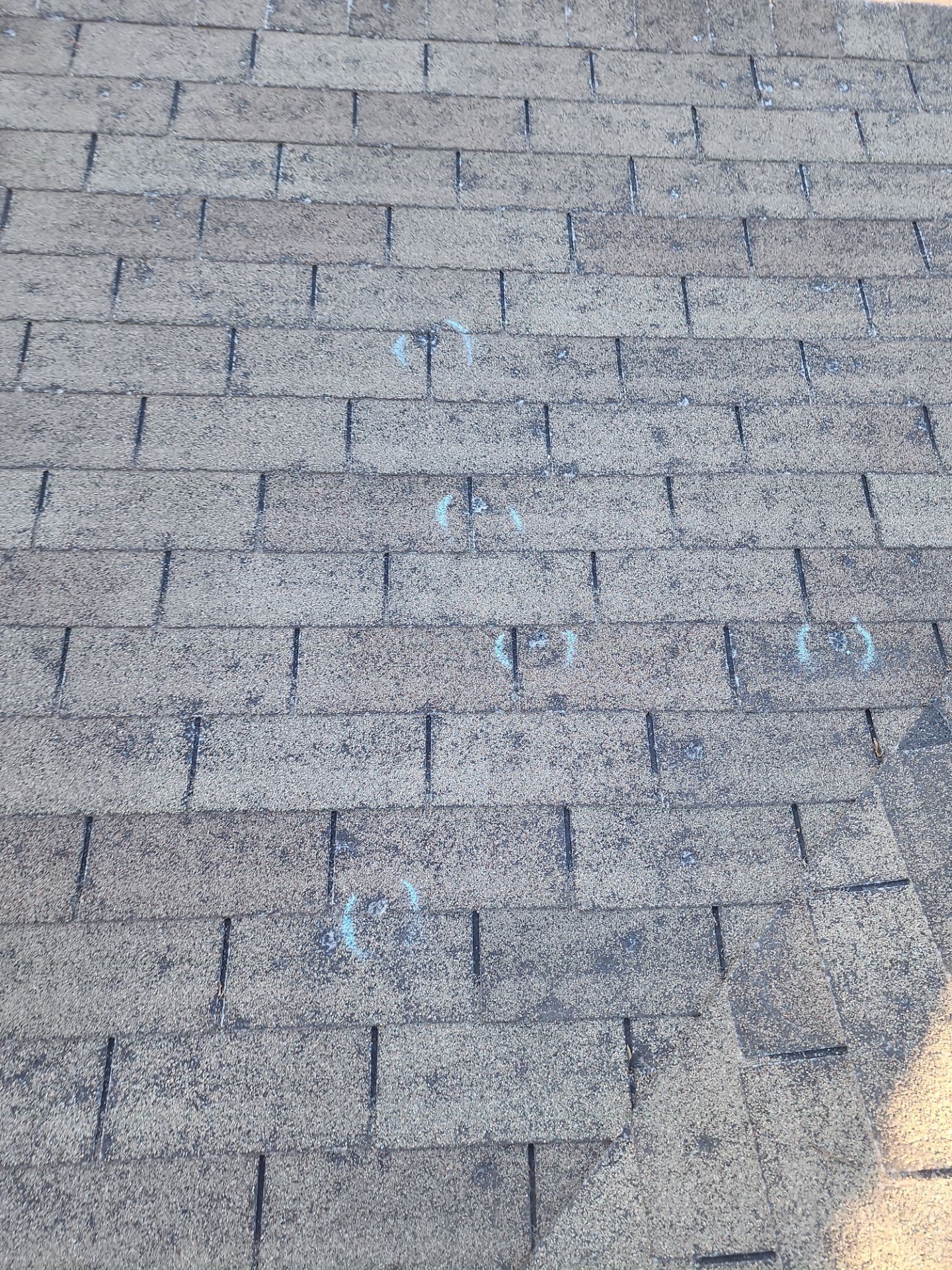
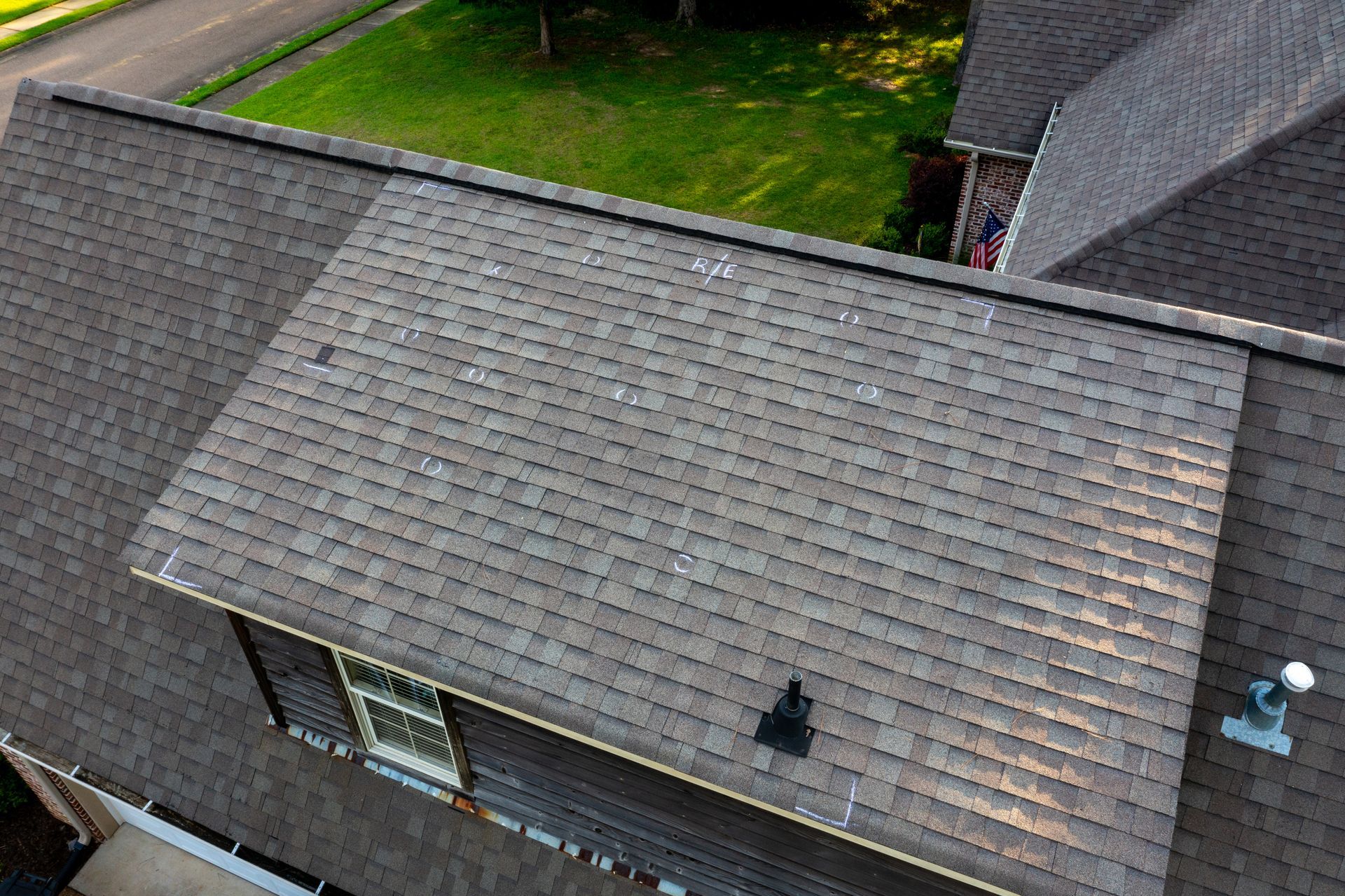
After a hailstorm, it's crucial to look for signs of property damage that could support your claim. Some common indicators include:
- Dents or dings on metal roof components such as flashing or gutters
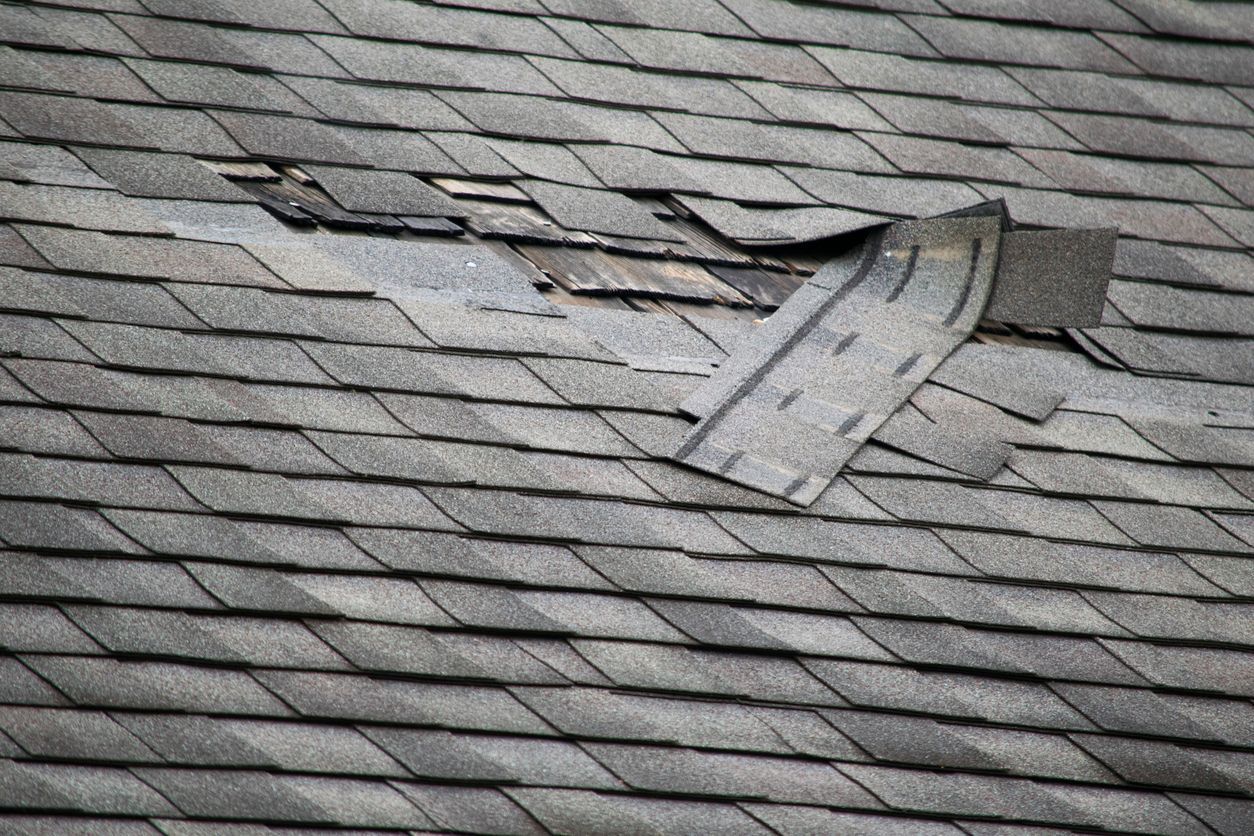
- Broken or missing shingles, tiles, or granules
- Cracked windows or skylights
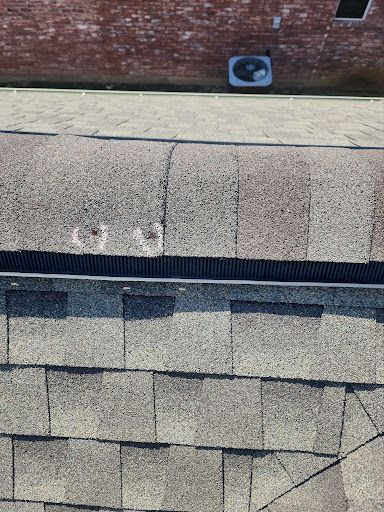
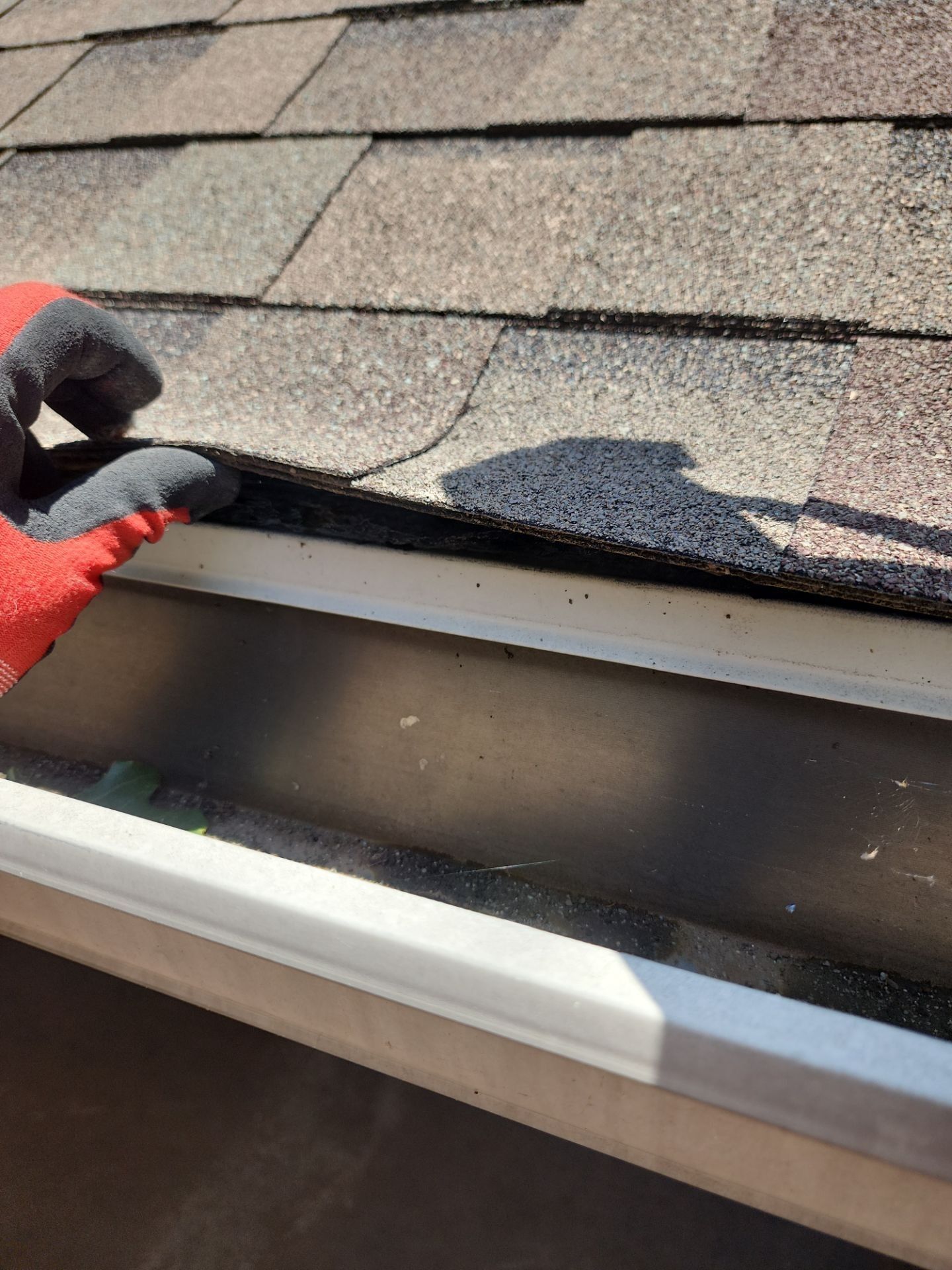
- Damaged or dented siding If you notice any of these warning signs, consider scheduling a roof inspection as soon as possible. Some forms of hail damage are not immediately visible from the ground, so it may take a professional inspection to uncover hidden issues.
Documenting Damage and Starting the Claims Process
Thorough documentation after a hailstorm strengthens your case with the insurance company. Be sure to take the following steps:
- Take clear, date-stamped photos of all affected exterior surfaces.
- Collect any hailstones (place them in the freezer as evidence).
- Keep a record of the date and time of the storm, and save local weather alerts or news reports as supporting documentation.
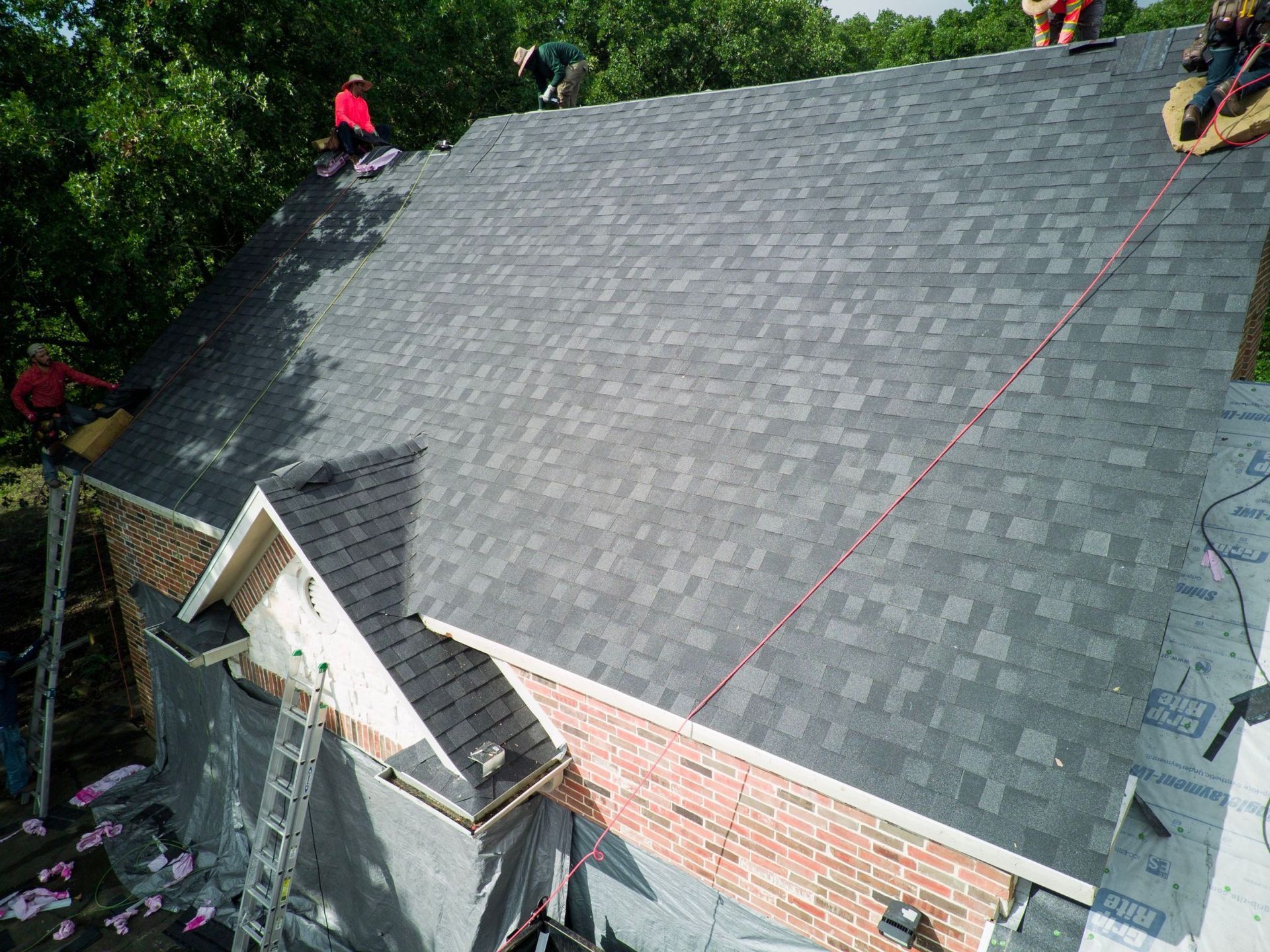
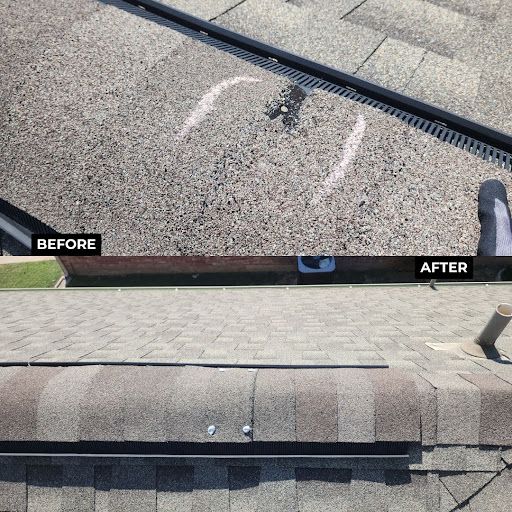
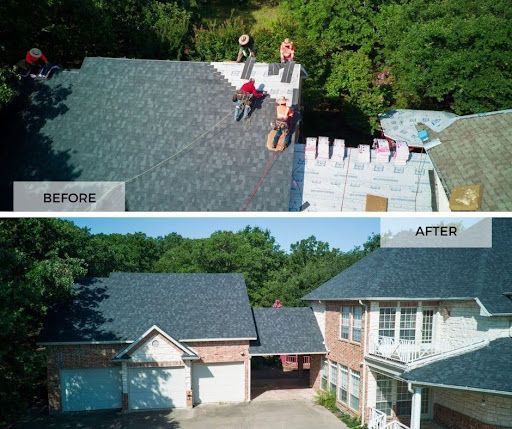
- Obtain a detailed quote from a trusted contractor, such as a roof replacement or storm damage repair specialist, to provide your claim. Acting fast means you have the information and evidence you need to submit your claim with confidence.
What If You Miss the Filing Deadline?
If you miss your policy's deadline to file a claim, you may lose the chance to recover repair costs from your insurance provider. This can leave you responsible for all repairs out of pocket. Some Dallas homeowners discover old hail damage years later when leaks appear, only to find their window for a claim has closed. If you're unsure about your insurance policy's timeframe, review your documents or contact your provider as soon as possible following a hailstorm.
Contact MacDonald Roofing & Remodeling for Fast, Local Support
If you've recently experienced a hailstorm in Dallas, TX, Denton County, TX, Rockwall, TX, Tarrant County, TX, or Collin County, TX, don't take chances with limited filing timelines. Contact MacDonald Roofing & Remodeling to schedule a professional inspection from a team that understands local weather patterns and storm damage claims. Reach out at 214-601-9304 or fill out the online form for fast assistance securing your roof inspection and advice on hail claims before critical deadlines pass.