Anthony M • June 22, 2026

Roof Leak After the Storm? Get Emergency Repairs Fast
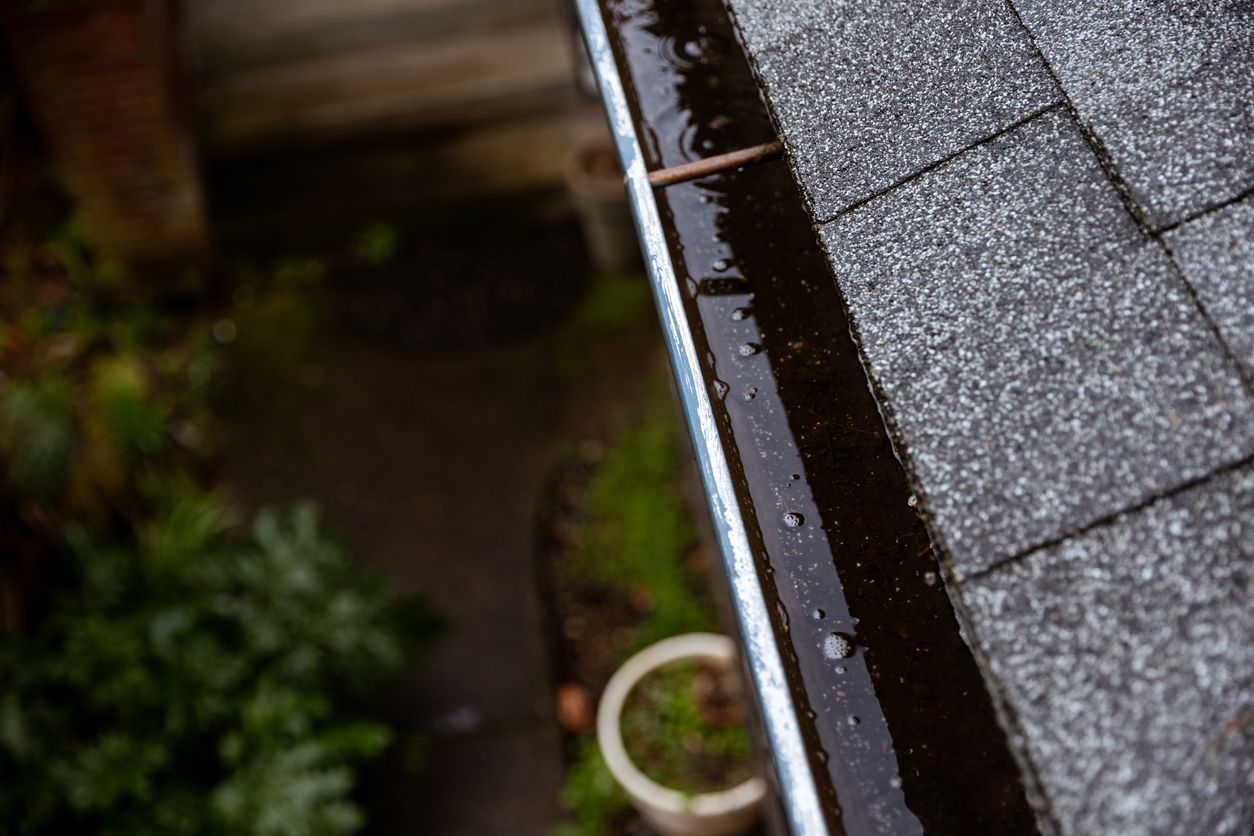
After any storm, the lingering effects can cause major problems for homeowners, especially when it comes to roof leaks. Heavy rain, wind, and even falling debris can compromise the integrity of your roof, resulting in leaks that can threaten the structure of your home and its contents. It is crucial to address these leaks quickly to prevent water damage, mold growth, and deterioration of your home's interior and exterior. For homeowners, acting fast can be the difference between a minor repair and significant restoration work.


How Storms Cause Roof Leaks

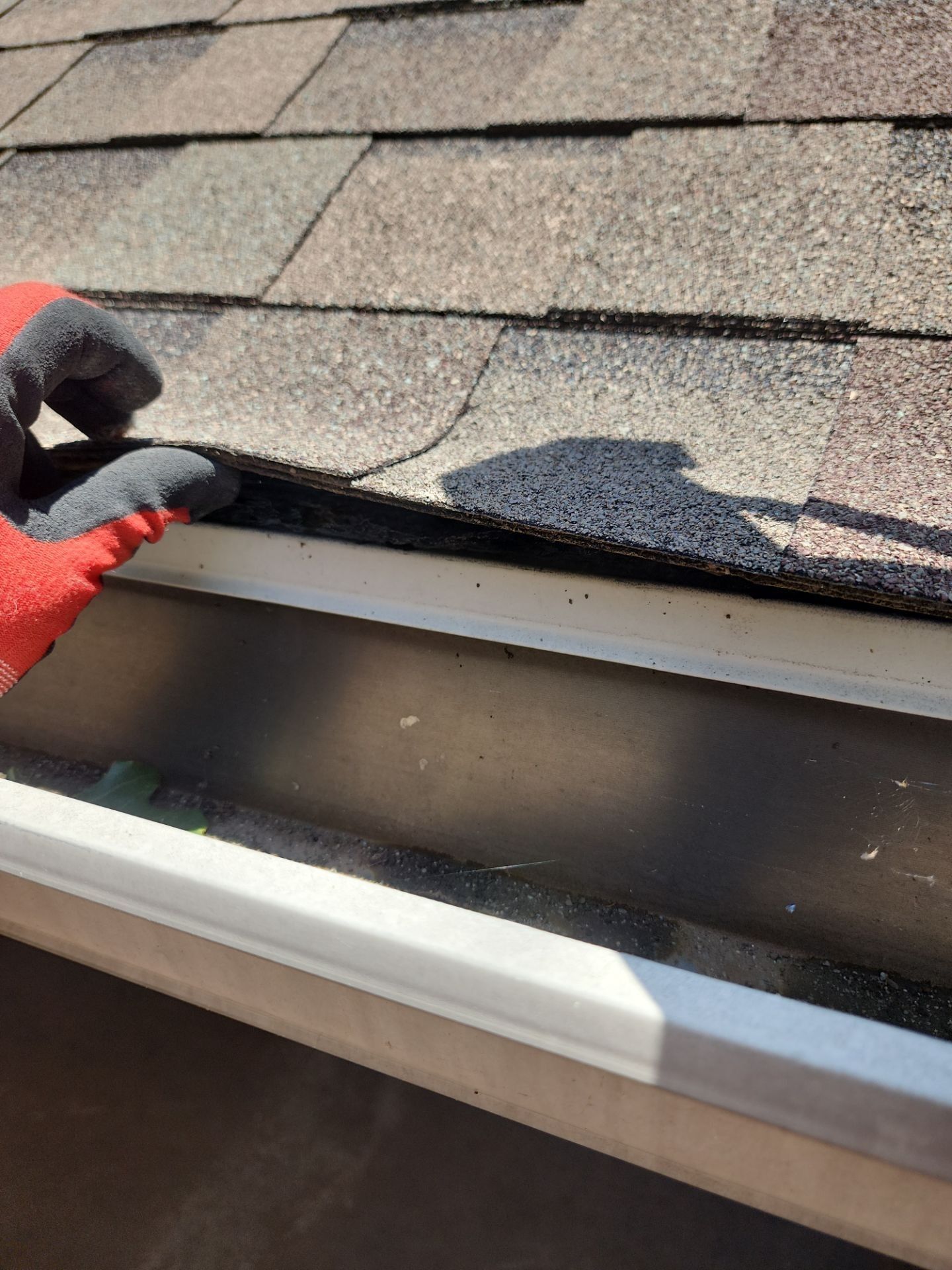
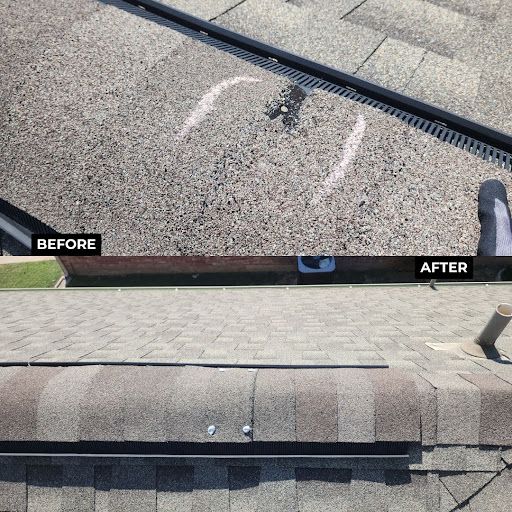
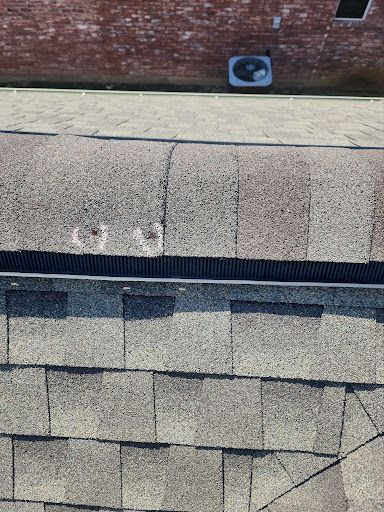
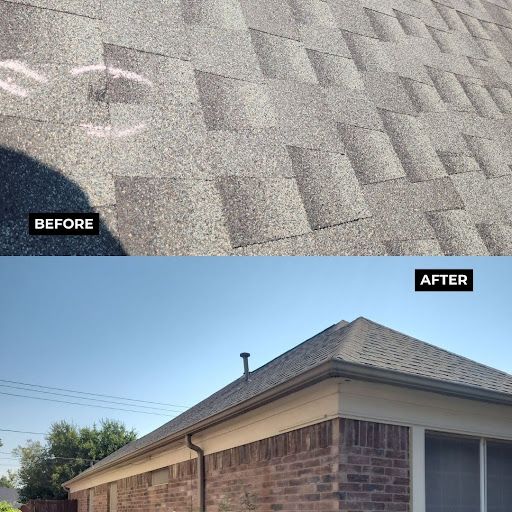
Storm damage to your roof can occur for several reasons. Shingles may be lifted or blown away by strong winds. Hail can dent or crack roofing materials, while flying debris can puncture roof surfaces. Excessive rainfall may reveal weaknesses in flashings or cause water to pool and eventually penetrate through vulnerable spots. Even minor leaks, if unnoticed, can result in wet insulation, stained ceilings, and damaged walls, putting your home's safety at risk.


Warning Signs That Demand Immediate Attention

You should stay vigilant for signs that indicate a potential roof leak after a storm. The most common indicators include:


  • Water stains or drip marks on ceilings and walls 
  • Missing, curled, or visibly damaged shingles 
  • Damp insulation in the attic 
  • Paint bubbling or peeling near the ceiling line 
  • Unexplained musty odors


In situations where water is actively dripping or pooling inside the home, emergency roof repair is essential to mitigate further damage and prevent costly repairs later.


What Homeowners Should Do Immediately After a Storm

Assessing the safety and situation after a storm is crucial. Start by performing a visual check from the ground. If you notice any obvious signs of roof damage, it's best not to attempt climbing onto the roof, as surfaces could be slippery or unstable. Instead, call a professional for emergency repairs. In the interim, place buckets under drips, move valuables away from affected areas, and clear excess water where possible to prevent further interior damage and mold.


Why Professional Emergency Roofing Matters

Trusting a professional roofing company with emergency roof repair ensures not only a safe assessment but a rapid response designed to prevent escalation of damage. Trained teams will have the proper equipment and expertise to quickly stop active leaks, secure damaged areas, and provide a lasting solution. By choosing a reputable provider, you also receive expert insight regarding the potential need for a full roof replacement or temporary waterproofing solutions tailored to the level of damage.


Get Fast Emergency Roof Repairs in Des Moines, IA

If you discover a roof leak after a storm in Des Moines, IA, MacDonald Roofing & Remodeling is available for immediate assistance. With deep knowledge of local weather patterns and experience in storm damage roof repair, the team responds quickly to emergencies, minimizing your stress and safeguarding your property. Call 214-601-9304 or fill out the online form on the company's website to request your fast, professional emergency roof repair service.

By Anthony M June 17, 2026
MacDonald Roofing & Remodeling in Cedar Rapids, IA handles the insurance claim process for hail damage, from inspection to repair. Call for expert roof restoration support.
By Anthony M May 19, 2026
After a major storm rolls through North Texas, your home's roof can suffer unseen damage that could lead to major issues down the line. It's an all-too-common scenario in the Dallas area, where spring storms often bring hail, strong winds, and heavy rainfall. If you've looked outside and noticed shingles in your yard or granules piling up after a powerful storm, you need to act quickly to protect your home and investment. Fortunately, scheduling a free roof inspection right after the storm could be the best way to prevent small problems from becoming costly repairs. Why You Should Schedule a Timely Roof Inspection The aftermath of a Dallas-area storm can leave behind damage that's not always visible from the ground. Even if your roof looks fine at a glance, there may be issues lurking beneath the surface, especially with older roofs or those previously repaired. Water leaks, compromised flashing, and torn or missing shingles can allow moisture to make its way inside, threatening insulation and the structural integrity of your home. A prompt professional inspection will: Identify hail, wind, or impact damage before it turns into leaks. Provide documentation you may need for insurance claims. Catch minor issues early, saving you money and stress in the long run. What to Expect During Your Free Roof Inspection You might be wondering what happens during a professional roof assessment. At MacDonald Roofing & Remodeling, a licensed, trained specialist will evaluate your roof for signs of damage using industry-standard techniques. Here is what you'll typically experience: Comprehensive inspection of all roofing materials, joints, and flashings. Assessment of your attic and insulation for signs of hidden water intrusion. Thorough gutter and downspout check to ensure proper drainage. Personalized recommendations, whether you need basic maintenance or a full roof replacement service. Common Types of Storm Damage in Dallas Dallas weather can be unpredictable, especially during spring and fall when severe storms are common. After hail, you may find cracked or bruised shingles. Heavy winds can lift shingle edges or tear them off completely, exposing decking to the elements. Flash flooding brings another threat, as improperly sloped roofs or clogged gutters could cause water to pool and seep underneath the surface. Past storms in Dallas have demonstrated that quick, attentive response is key. For example, during last year's June hailstorm, many local homeowners who acted fast with a roof repair were able to avoid interior water damage, while those who delayed inspection faced bigger headaches, like ruined drywall and mold remediation. How Fast Appointments Make a Difference One of the biggest concerns after a major storm is getting help quickly. Waiting days or weeks for an inspection can put your home at greater risk, especially if another rainstorm is just around the corner. That's why MacDonald Roofing & Remodeling prioritizes fast appointments, often available within a few days or even same-day for urgent cases. This rapid response allows you to address potential problems right away and gives you peace of mind as our team handles the process efficiently and professionally.  Schedule Your Free Roof Inspection in Dallas Today If your Dallas home was in the path of the recent storm, don't wait to find out if there's hidden damage. MacDonald Roofing & Remodeling is a locally trusted name with decades of experience, serving Dallas and the surrounding areas. Call today at 214-601-9304 or fill out our convenient online form to book your fast, no-obligation roof assessment. Protect your investment and get ahead of costly repairs with an expert evaluation from the team that Dallas homeowners trust.
By Anthony M May 12, 2026
Learn how hidden hail damage impacts your roof. Trust MacDonald Roofing & Remodeling in Dallas, TX for inspections, repairs, and protection after hailstorms.
By Anthony M May 5, 2026
Was your Dallas roof damaged by hail? Contact MacDonald Roofing & Remodeling for a free inspection after the recent storm. Serving Dallas, Texas homeowners.
A woman is sitting on the floor using a laptop computer.
By Sam NyBlom July 24, 2022
When it comes to SEO, there isn't a magic formula to instantly send your site off to the #1 search result on Google. But there are some basic principles you should follow for a wonderful starting point. Here are the top 5 SEO practices to start with: #1 Write for people, not for search engines Always write original, interesting, high quality site content that's error free and relevant to your site. Search engines like Google can easily detect content that is duplicated from elsewhere online, that contains grammatical errors, or that is stuffed with keywords. #2 Add a blog to your site and use rich media To engage your site visitors and blog readers, create posts that include non-textual media like photos, videos, or original visualizations (infographics). Having that extra content (especially if it's captivating) will increase the time users spend on your site as well as the likelihood they will share your site with their own community. #3 Offer a positive user experience throughout your site Google will know if you're using your site to aggressively advertise your service, or if you're being too pushy. Always aim to offer site visitors a pleasant experience on your site. That means clear content, support when needed, and always an option to go back. #4 Create a network of internal links (but don't overdo it) Add links between different pages of your site and your blog, but try to follow a process that feels organic rather than heavy linking meant just for search engine crawlers. Link between pages that make sense, for example, on your services page, link a certain industry specific term, and link it to a blog post you wrote about it, that gives more information on that term. #5 Always check your site's Core Web Vitals Core Web Vitals are a standard site performance standard initially created by Google. The report shows site owners how their site pages perform 'for real,' how long it takes for site visitors to load site pages, and it offers ways to fix issues, if there are any.
Three bottles of the ordinary are sitting on a table
By Sam NyBlom June 29, 2022
When it comes to SEO, there isn't a magic formula to instantly send your site off to the #1 search result on Google. But there are some basic principles you should follow for a wonderful starting point. Here are the top 5 SEO practices to start with: #1 Write for people, not for search engines Always write original, interesting, high quality site content that's error free and relevant to your site. Search engines like Google can easily detect content that is duplicated from elsewhere online, that contains grammatical errors, or that is stuffed with keywords. #2 Add a blog to your site and use rich media To engage your site visitors and blog readers, create posts that include non-textual media like photos, videos, or original visualizations (infographics). Having that extra content (especially if it's captivating) will increase the time users spend on your site as well as the likelihood they will share your site with their own community. #3 Offer a positive user experience throughout your site Google will know if you're using your site to aggressively advertise your service, or if you're being too pushy. Always aim to offer site visitors a pleasant experience on your site. That means clear content, support when needed, and always an option to go back. #4 Create a network of internal links (but don't overdo it) Add links between different pages of your site and your blog, but try to follow a process that feels organic rather than heavy linking meant just for search engine crawlers. Link between pages that make sense, for example, on your services page, link a certain industry specific term, and link it to a blog post you wrote about it, that gives more information on that term. #5 Always check your site's Core Web Vitals Core Web Vitals are a standard site performance standard initially created by Google. The report shows site owners how their site pages perform 'for real,' how long it takes for site visitors to load site pages, and it offers ways to fix issues, if there are any.
Two women are standing at a table looking at a laptop.
By Sam NyBlom June 29, 2022
When it comes to SEO, there isn't a magic formula to instantly send your site off to the #1 search result on Google. But there are some basic principles you should follow for a wonderful starting point. Here are the top 5 SEO practices to start with: #1 Write for people, not for search engines Always write original, interesting, high quality site content that's error free and relevant to your site. Search engines like Google can easily detect content that is duplicated from elsewhere online, that contains grammatical errors, or that is stuffed with keywords. #2 Add a blog to your site and use rich media To engage your site visitors and blog readers, create posts that include non-textual media like photos, videos, or original visualizations (infographics). Having that extra content (especially if it's captivating) will increase the time users spend on your site as well as the likelihood they will share your site with their own community. #3 Offer a positive user experience throughout your site Google will know if you're using your site to aggressively advertise your service, or if you're being too pushy. Always aim to offer site visitors a pleasant experience on your site. That means clear content, support when needed, and always an option to go back. #4 Create a network of internal links (but don't overdo it) Add links between different pages of your site and your blog. Try to follow a process that's organic rather than heavy linking meant for search engine crawlers. Link between pages that make sense, for example, on your services page, link a certain industry-specific term to a blog post that gives more information on that term. #5 Always check your site's Core Web Vitals Core Web Vitals are a site performance standard initially created by Google. The report shows site owners how their site pages perform 'for real,' how long it takes for site visitors to load site pages, and it offers ways to fix issues, if there are any.
A woman is drinking a cup of coffee in a park.
By Sam NyBlom June 29, 2022
When it comes to SEO, there isn't a magic formula to instantly send your site off to the #1 search result on Google. But there are some basic principles you should follow for a wonderful starting point. Here are the top 5 SEO practices to start with: #1 Write for people, not for search engines Always write original, interesting, high quality site content that's error free and relevant to your site. Search engines like Google can easily detect content that is duplicated from elsewhere online, that contains grammatical errors, or that is stuffed with keywords. #2 Add a blog to your site and use rich media To engage your site visitors and blog readers, create posts that include non-textual media like photos, videos, or original visualizations (infographics). Having that extra content (especially if it's captivating) will increase the time users spend on your site as well as the likelihood they will share your site with their own community. #3 Offer a positive user experience throughout your site Google will know if you're using your site to aggressively advertise your service, or if you're being too pushy. Always aim to offer site visitors a pleasant experience on your site. That means clear content, support when needed, and always an option to go back. #4 Create a network of internal links (but don't overdo it) Add links between different pages of your site and your blog, but try to follow a process that feels organic rather than heavy linking meant just for search engine crawlers. Link between pages that make sense, for example, on your services page, link a certain industry specific term, and link it to a blog post you wrote about it, that gives more information on that term. #5 Always check your site's Core Web Vitals Core Web Vitals are a standard site performance standard initially created by Google. The report shows site owners how their site pages perform 'for real,' how long it takes for site visitors to load site pages, and it offers ways to fix issues, if there are any.