Improving Storm Resistance: A Practical Guide to Soft Spots in Roof Decking
Spring and summer storms are a hallmark of North Texas weather, delivering high winds, hail, and torrential rain to homes and businesses alike. Because of these frequent storms, storm resistance is not just a nice-to-have option for property owners in this region, it is essential. One crucial aspect often overlooked is soft spots in roof decking, which can compromise your roof's integrity and long-term performance. Understanding how to identify, address, and prevent these weak points can protect your investment, ensure your family's safety, and strengthen your home against extreme weather events.
What Are Soft Spots in Roof Decking?
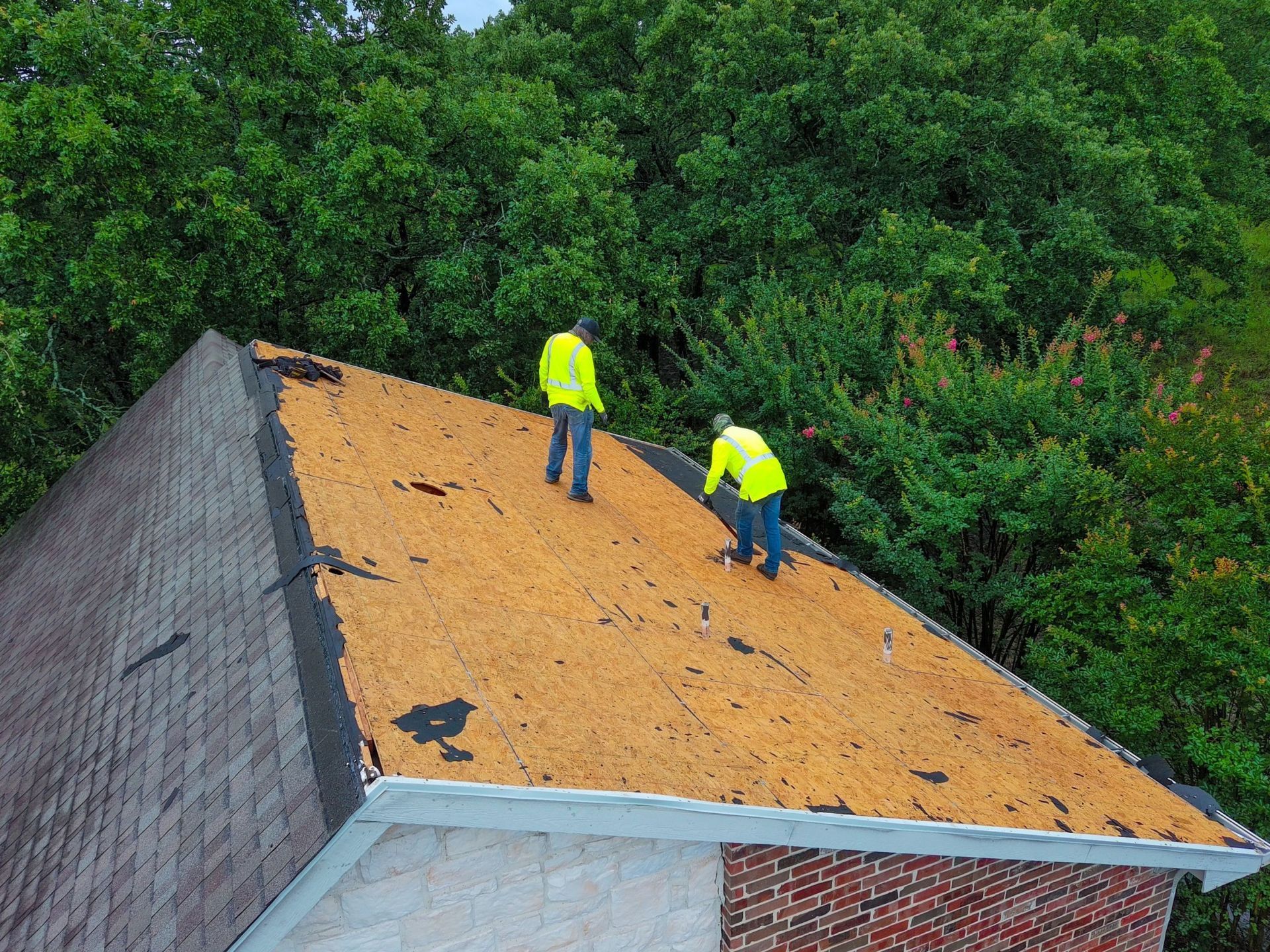
Soft spots in roof decking occur when the wood or structural panels beneath your shingles or other roofing material lose their strength. This can result from persistent moisture, aging materials, storm damage, or poor ventilation. In Dallas, Denton, Rockwall, Tarrant, and Collin counties, where severe weather is common, roof decking is especially susceptible to storm-related issues like leaks caused by wind-driven rain or ice dam formation in the winter months.
Warning Signs of Soft Spots
Detecting soft spots early can make the difference between minor repairs and costly replacements. Here are several indicators you might notice:
- Sagging areas on the roof surface
- Uneven or "spongy" feeling when walking across your roof
- Visible water stains on ceilings or in the attic
- Musty odors indicating persistent moisture
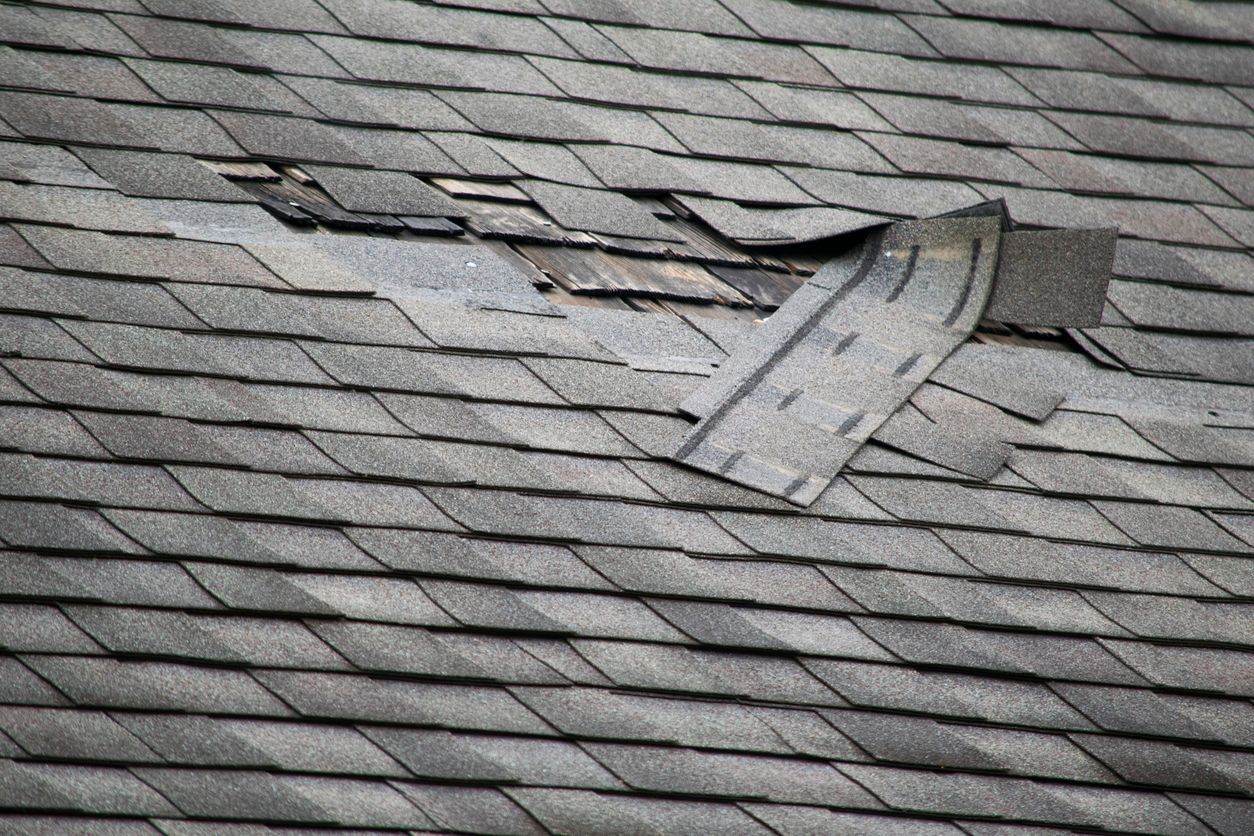
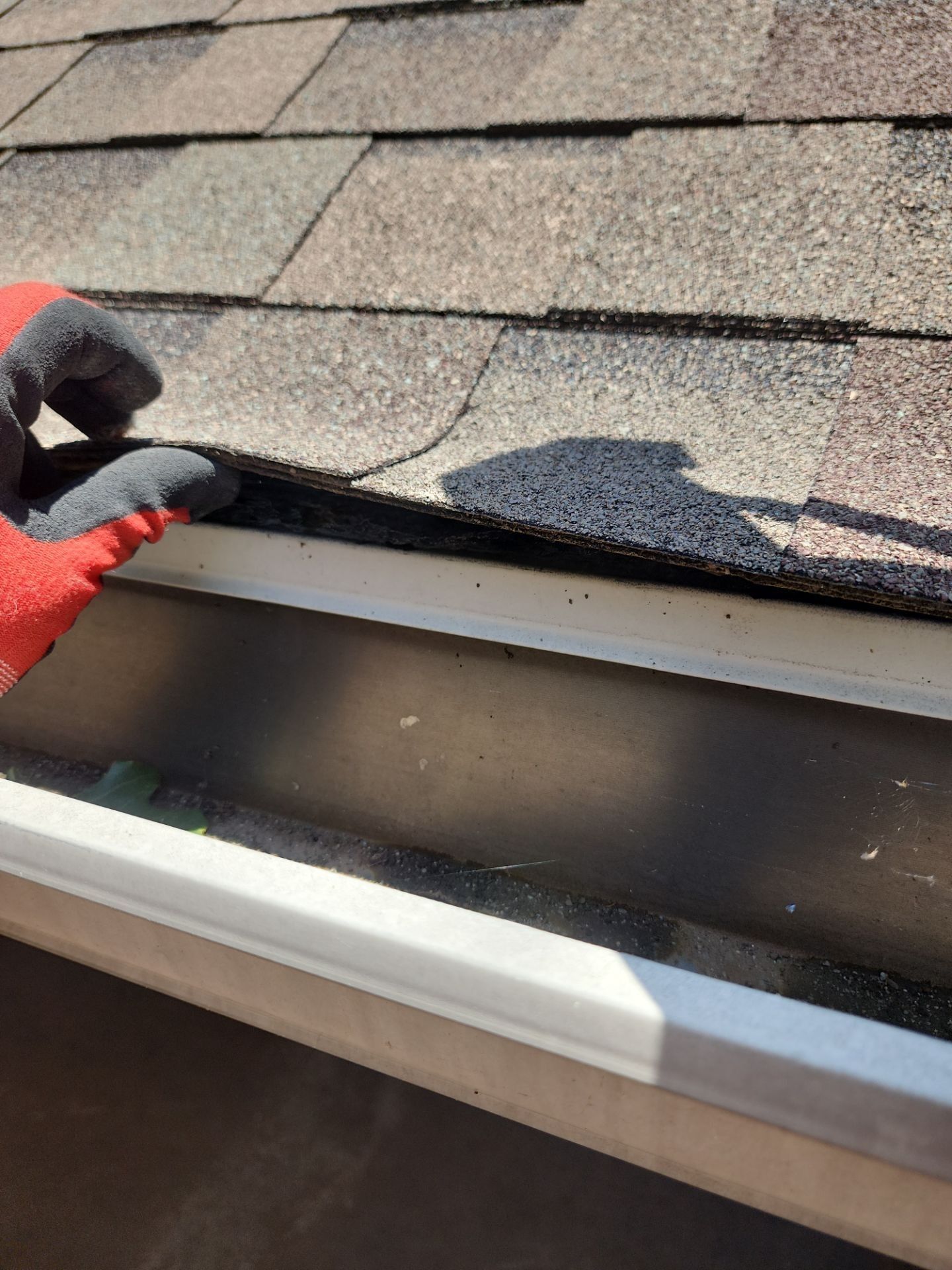
- Shingle deterioration in isolated areas
If you've noticed any of these issues, prompt inspection from a professional roofing company can prevent further structural problems.
Options for Improving Storm Resistance
To strengthen your roof against future severe weather, consider these strategies:
- Upgrading to moisture-resistant or pressure-treated roof decking materials
- Installing high-quality underlayment for additional moisture protection
- Ensuring proper roof ventilation to reduce humidity buildup
- Regular maintenance and prompt repair of any damaged or missing shingles after storms
For many Dallas-area homeowners, a full roof replacement is only necessary when damage is significant, but targeted repairs and upgrades can often restore and reinforce existing decking.
Planning Your Next Steps: What to Ask a Roofing Contractor
Before launching into repairs or upgrades, you should approach any roofing and exterior services company with focused questions to ensure the best results:
- What is the extent of roof decking damage, and what are the recommended solutions?
- Are the proposed materials suited to withstand the specific weather patterns in North Texas?
- Does the repair estimate include comprehensive moisture protection and ventilation upgrades?
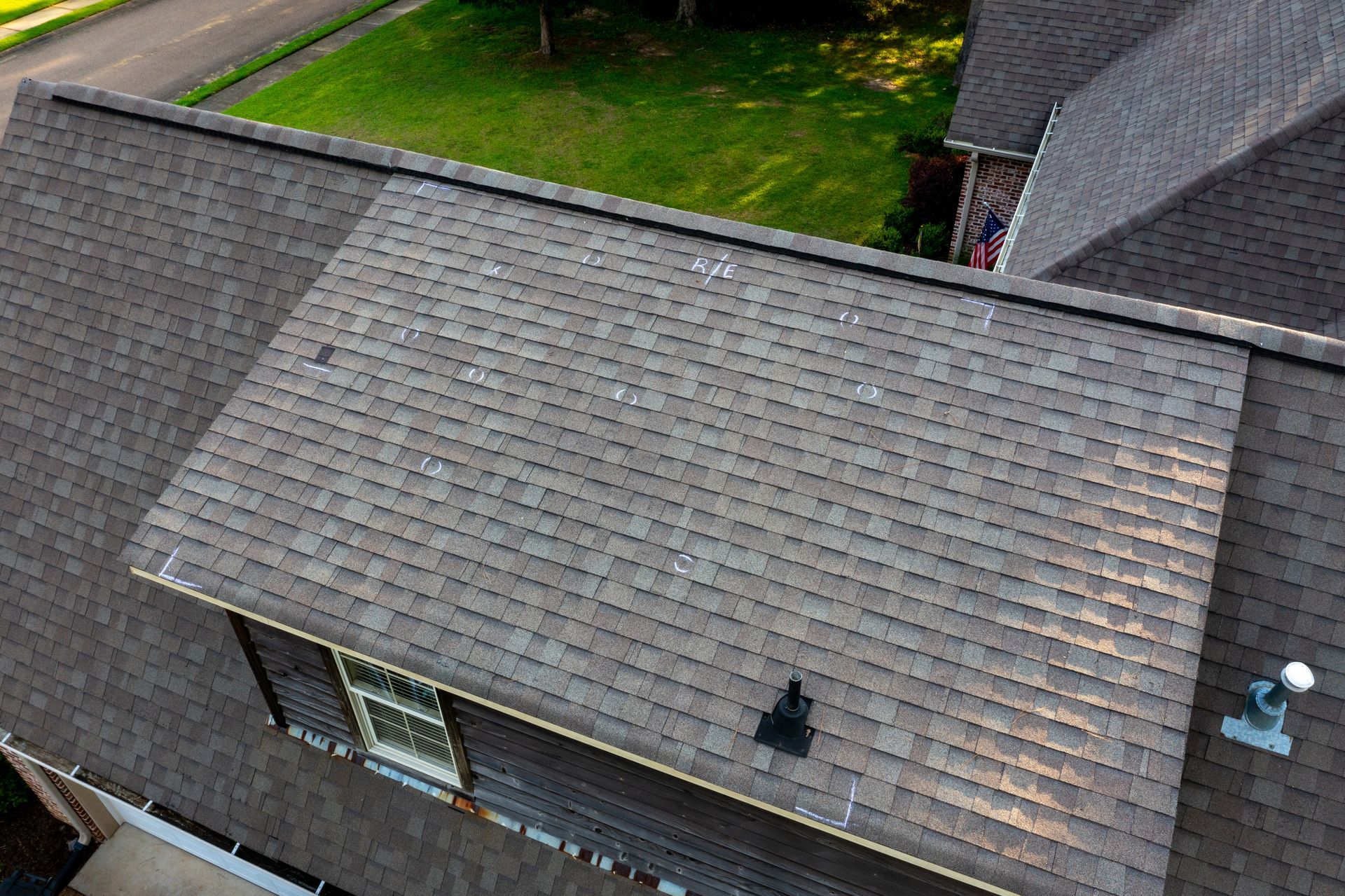
- Will you receive a detailed inspection report to document current conditions for insurance claims or future reference?
Reputable contractors serving the Dallas, Denton, Rockwall, Tarrant, and Collin County areas should provide clear answers and transparent documentation before any work begins.
Why Storm Resistance Matters in North Texas
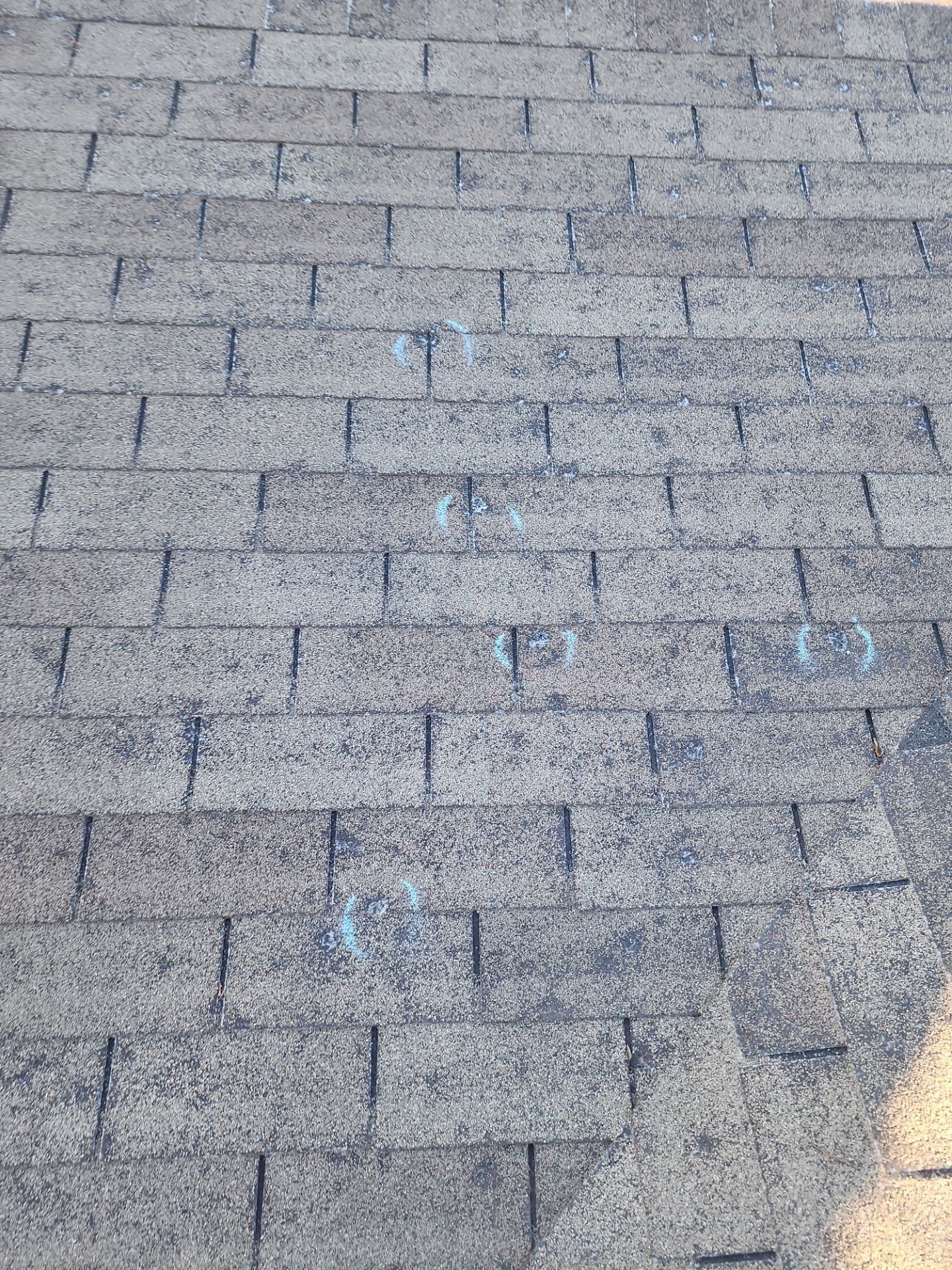
With unpredictable hailstorms and heavy rain nearly every year, homes in this region are constantly exposed to potential roof damage. Addressing soft spots on your decking now can mean the difference between withstanding the next storm or facing costly emergency repairs. Proactive care including regular roof inspections, prompt shingle replacement, and efficient attic ventilation will extend your roof's lifespan and save you money in the long run.
Get Storm-Ready: Call MacDonald Roofing & Remodeling Today
If you suspect soft spots in your roof decking or want a professional assessment to shore up your home's storm resistance, reach out to MacDonald Roofing & Remodeling, proudly serving Dallas, TX, Denton County, TX, Rockwall, TX, Tarrant County, TX, and Collin County, TX. Our expert team will identify vulnerabilities, explain your options, and recommend the best course of action to keep your home protected year-round. Call (214) 601-9304 or fill out our online form to schedule an inspection or request an estimate today.